
About the Center
A stem cell research center that isolates SVF (stromal vascular fraction) in healthy condition and accumulates and analyzes graft retention data.
Cell processing outside the operating room, in a dedicated facility
The outcome of SVF-assisted fat grafting depends on how healthily the SVF is isolated. That is why, in 2007, SC301 Clinic set up a dedicated space for this process, separate from the operating room.
Once fat leaves the body, it first enters the research center's clean area. Researchers isolate the SVF by centrifugation, measure cell count and viability with a cell counter, record the results for each patient, and then deliver it to the operating room. SVF that needs to be stored is kept in liquid nitrogen tanks at −196 °C.
The records kept for every surgery have grown into about 9,000 graft retention cases since 2007. Four papers have been published based on this data; the most representative are the results published in Aesthetic Surgery Journal Open Forum (Oxford University Press) in 2020 and in Annals of Plastic Surgery (SCI-indexed) in 2023. The clinic holds 3 fat grafting–related patents and has received the Ministry of Health and Welfare accredited healthcare institution mark.
What the center does
- Isolates SVF from fat tissue on the day of surgery (by hand, following a protocol)
- Counts cells and measures viability, with records for each patient
- Cryogenic storage (cell banking) and management of SVF
- Collects, quantifies and analyzes graft retention data and publishes papers
- Patent research related to fat grafting
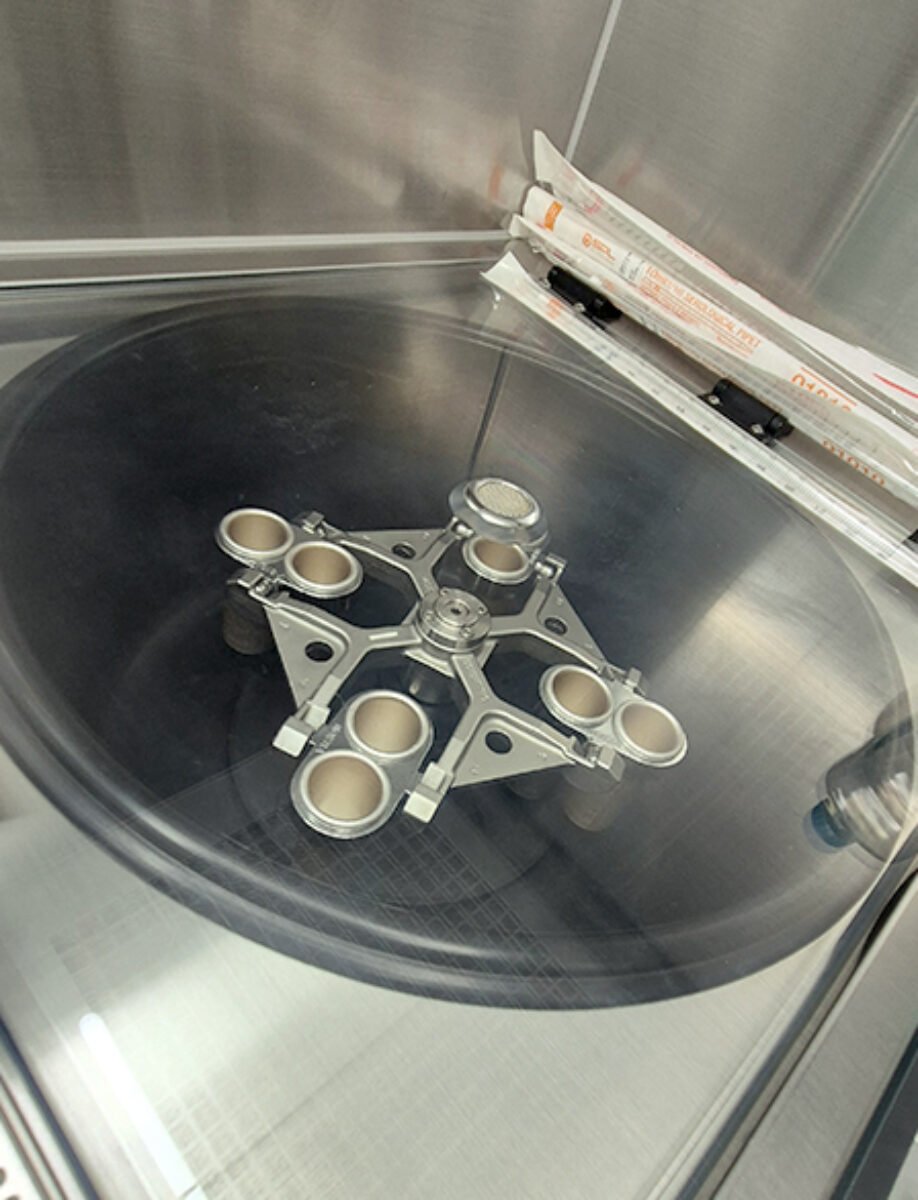
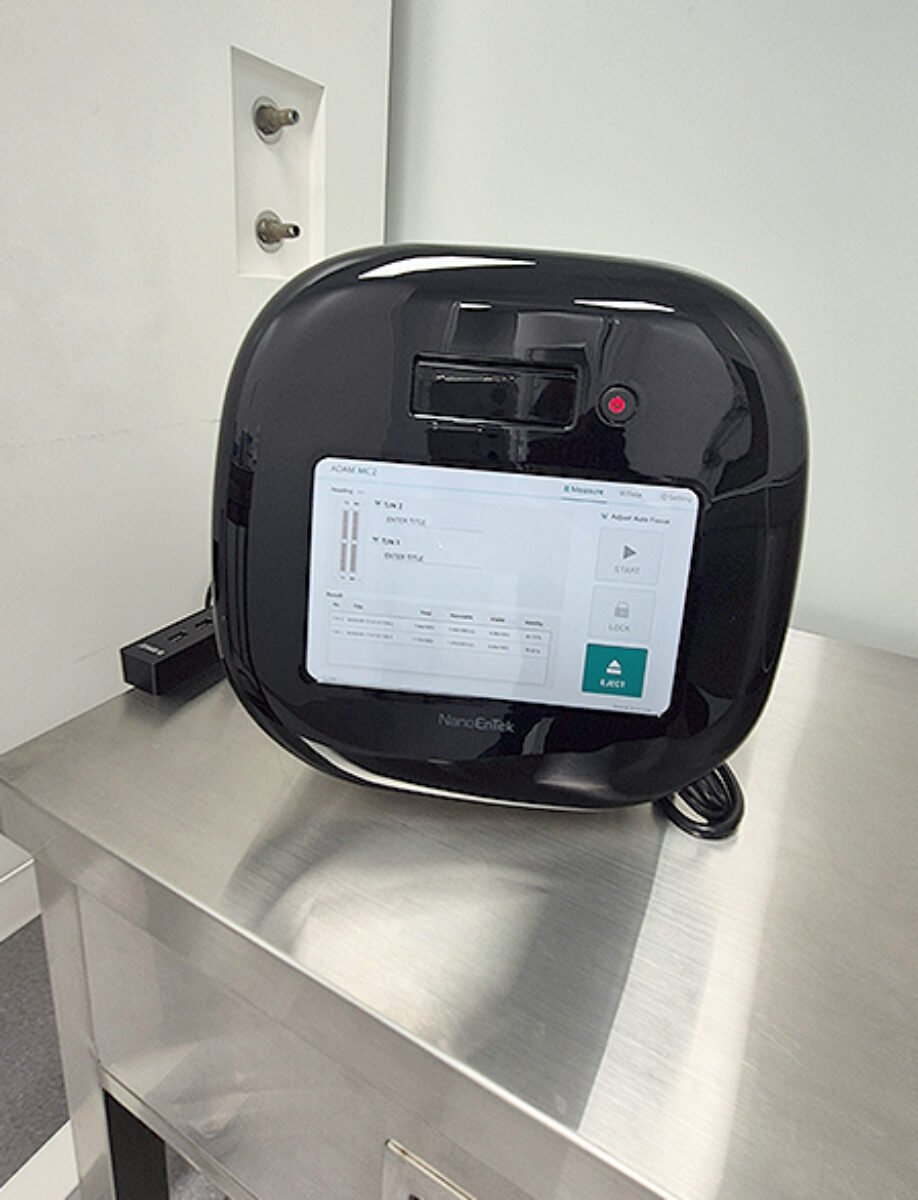
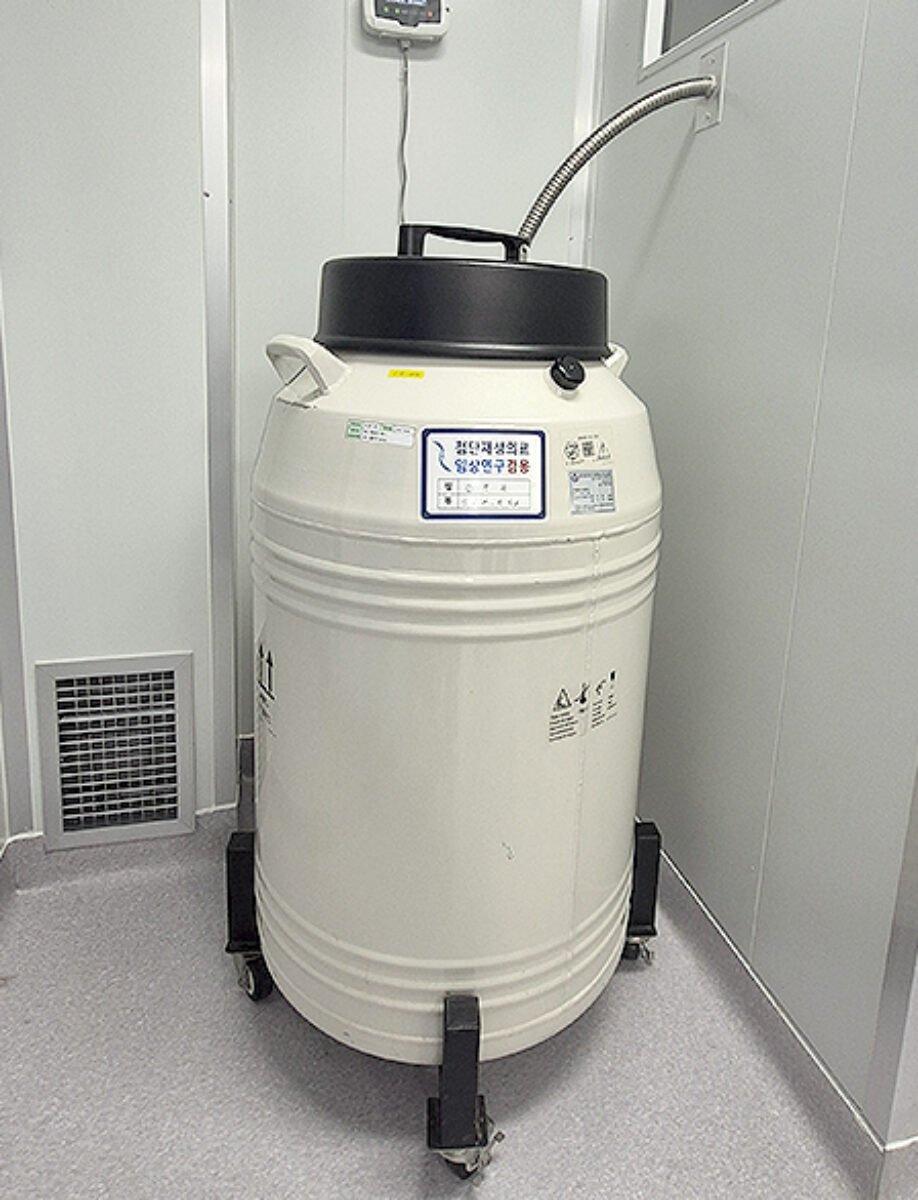
Three labs
The research center is a dedicated R&D department recognized by the Ministry of Science and ICT, run by research staff with master's or doctoral degrees in biology.
Cell Lab
Measures and analyzes the activity and cell viability of SVF isolated from each patient's fat. The graft retention data obtained this way is reviewed and organized into papers and research data.
Cell Storage Lab
Stores SVF cryogenically (cell banking) in liquid nitrogen tanks at −196 °C and manages it so it can be taken out when needed.
Big Data Lab
Quantifies about 9,000 graft retention cases accumulated since 2007. Based on this, it researches predicting graft retention rates and SVF activity relative to body conditions, for use as indicators in surgical planning.
SC301 SVF Graft Retention Research Center organization chart
The research center is run by research staff with master's or doctoral degrees in biology. SVF extraction is done by hand, following a protocol, by researchers with master's or doctoral degrees and more than 10 years of experience.

SVF research fields
The four fields in which the research center analyzes graft retention data and studies potential applications. Surgical and procedure information is provided on the Clinical Applications page and on SC301 Clinic's own pages.
SVF breast augmentation
Optimizes surgical methods by analyzing clinical cases at each stage of SVF extraction, mixing and injection.
Facial fat grafting
Research to refine fat volumes and injection methods by facial area.
Musculoskeletal pain
Studies potential applications by area, such as the knee and shoulder, based on the homing and regenerative properties of SVF.
Anti-aging · immunity
Studies the role SVF plays in regulating immune-related cytokines.
Since 2007
Years are taken from the designation, license, patent and paper images posted on the clinic's main website.
- 2007
Began performing SVF breast augmentation; founded SVF Medical Group SC301 (formerly Apgujeong Tiara). Opened the Stem Cell Research Center and began collecting graft retention data
- 2009
Founded the Korean Society of Stem Cell Plastic Surgery; Dr. Shin Dong-jin, Chief Director, served as president
- 2015
Registered fat grafting–related patents (registered June 30, 2015; Korean Patent No. 10-1534276 · No. 10-1534312)
- 2017
First registered as a dedicated R&D department (Korea Industrial Technology Association, KOITA)
- 2019
Registered the patent for a body-customized breast augmentation assist device (registered October 25, 2019; Korean Patent No. 10-2038995)
- 2020
Paper published in Aesthetic Surgery Journal Open Forum (Oxford University Press): a study of SVF breast fat grafting in 105 patients
- 2023
Paper published in Annals of Plastic Surgery (SCI-indexed): 384 patients, reporting a mean graft retention rate of 77.48% at 18 months after surgery
- 2023
Certificate of recognition as a dedicated R&D department issued by the Ministry of Science and ICT (April 21)
- 2025
Designated Advanced Regenerative Medicine Institution No. 재생-1-0049 by the Ministry of Health and Welfare (May 21)
- 2026
Cell Processing Facility License No. 139 from the Seoul Regional Office of Food and Drug Safety (February 10; valid until February 9, 2029)
- 2026
About 9,000 cumulative graft retention cases analyzed
Researchers with master's or doctoral degrees do the isolation themselves
Researchers with master's or doctoral degrees and more than 10 years of experience
SVF extraction is done by hand, following a protocol.
Master's and doctoral degrees in biology
Organized into three labs: cell, banking and big data. The organization is recognized as a dedicated R&D department. Organization chart
Performing surgery and tracking graft retention
Drawing on experience with about 9,000 SVF procedures, they take part in study design and papers. Meet the research team