Clinical Applications
Which procedures use the SVF isolated and counted at the research center, with the research center's role and related data for each area. Surgical methods and consultations are covered on the individual SC301 Clinic pages.
The research center's role in SVF breast augmentation
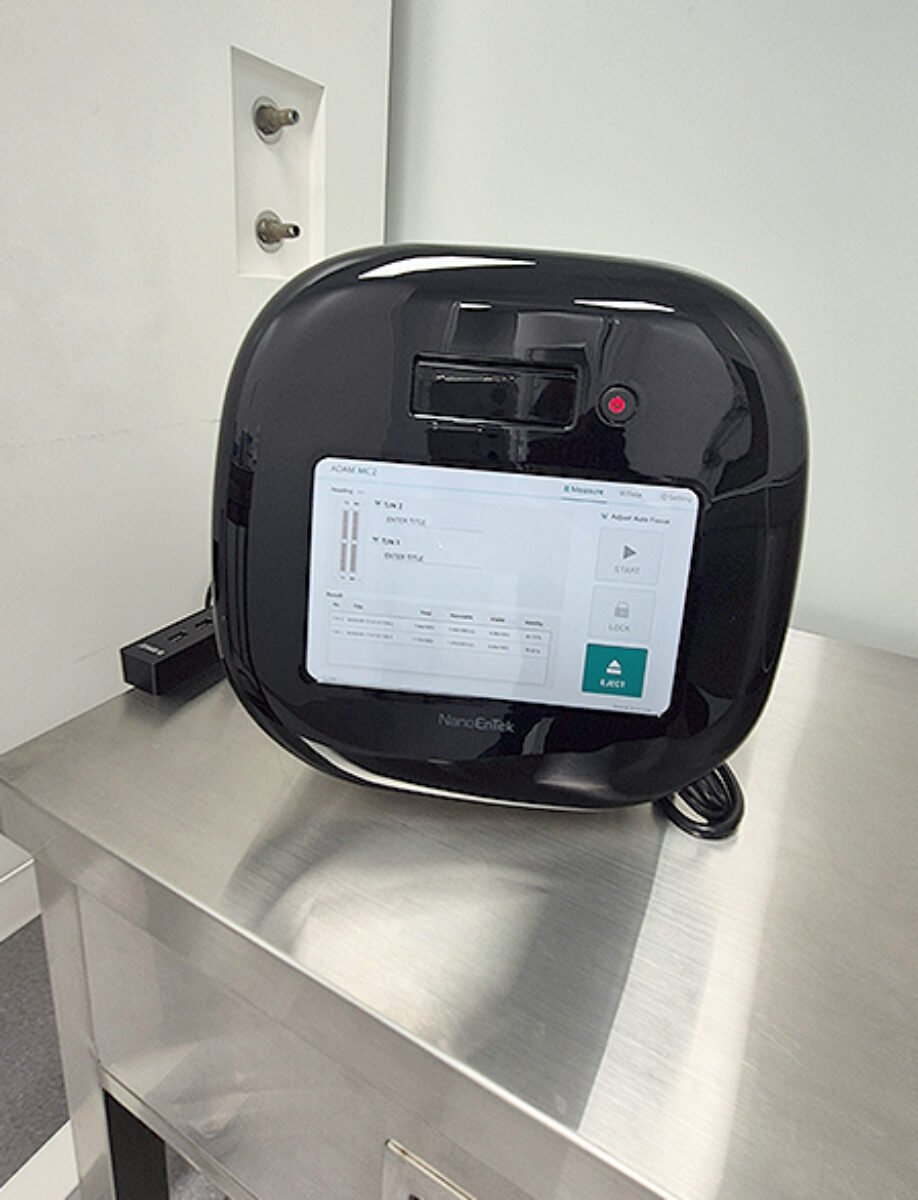
Breast fat grafting involves large graft volumes, and graft retention directly affects the outcome. On the day of surgery, the research center isolates and counts SVF (stromal vascular fraction) from the harvested fat and sends it to the operating room; after surgery, graft retention is tracked with a 3D precision check and kept as data.
Related data
- Mean graft retention rate of 77.48% — Annals of Plastic Surgery (2023, SCI-indexed), measured 18 months after surgery. View the paper
- In published cases of SVF-assisted breast fat grafting, about 68 to 99 million cells per injection (measured with a cell counter; varies with the amount and condition of the fat)
- About 9,000 graft retention records analyzed since 2007. Data report
Related articles
SVF breast augmentation at SC301 Clinic
Surgical method, the procedure, the before-and-after 3D precision check of graft retention, and consultation booking are covered on the SC301 Clinic breast augmentation page. The operating surgeons are the same physicians who work with the research center.
Facial fat grafting
Fat grafting to restore volume and contour in areas such as the forehead, cheeks and around the eyes. The research center isolates and counts SVF using the same process as for the breast. Because graft volumes are small, cell-count records feed more directly into outcome analysis.
SVF storage · cell banking
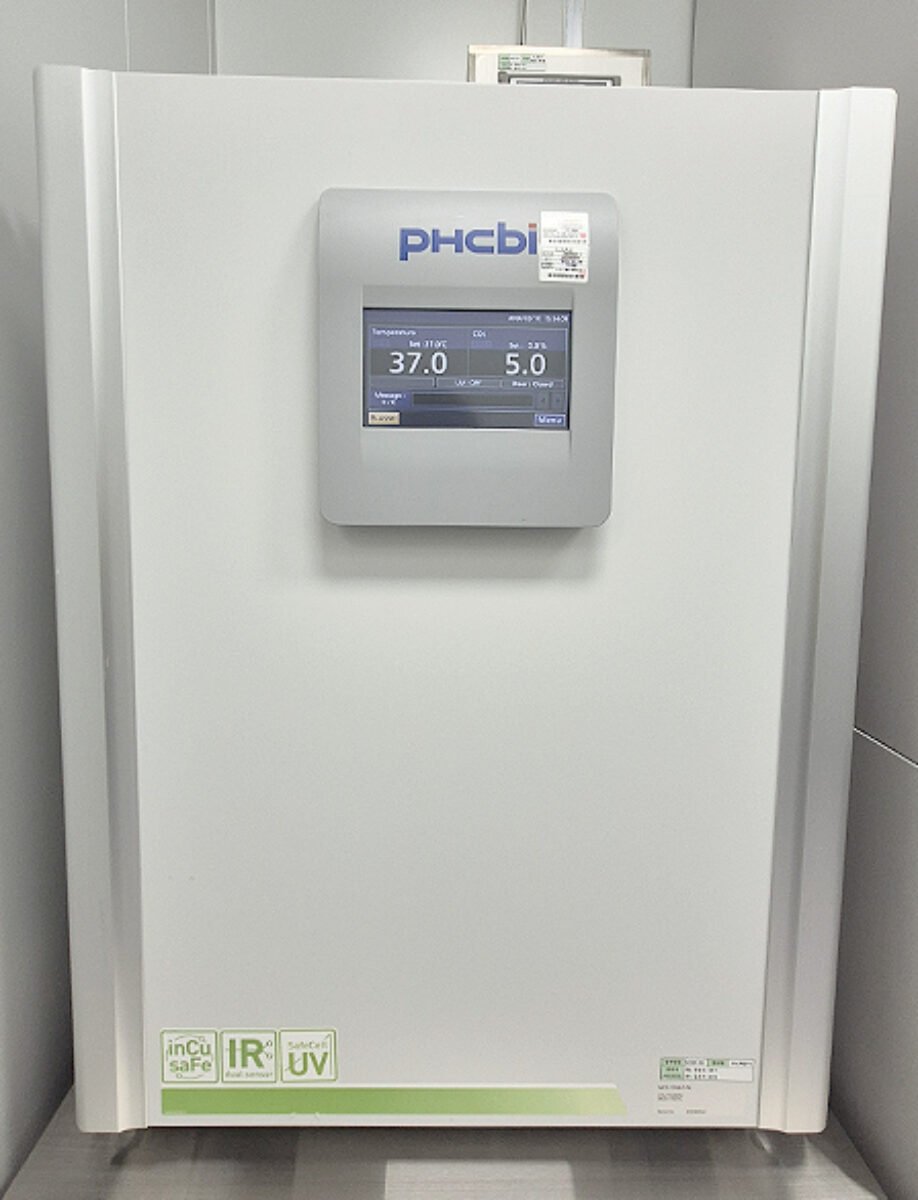
SVF purified without culture is stored cryogenically in a liquid nitrogen (LN2) tank at −196 °C and taken out when it is needed. At −196 °C, cell metabolism and enzyme activity almost stop, and a cryoprotectant reduces cell-membrane damage from ice crystals. When cells are taken out, they pass five quality control (QC) checks: appearance, viability, sterility, toxins and function.
Cell banking preserves the condition of your cells at the time of storage; it does not guarantee any effect when the cells are used in the future. In Korea, the scope of medical use of cells is limited by the relevant laws.
Other SVF applications
Other procedures that use SVF processed at the research center. Information on each procedure is available on the SC301 Clinic pages.
Areas under research
These are the areas in which the research center studies possible applications. They describe the scope of research, not procedures on offer; information on the relevant clinics is on the SC301 Clinic pages.
Possible applications by area, such as knees and shoulders
Based on the homing and regenerative properties of SVF, the center studies possible applications for each body area.
Regulation of immune-related cytokines
The center studies the role SVF plays in regulating immune-related cytokines.
International research in the musculoskeletal and anti-aging fields is presented as an overview of trends and does not mean these are treatments offered by SC301 Clinic.
We read the side-effect data too
In the literature on facial autologous fat grafting, the reported complication rate is about 4.8%, and most complications, such as scarring, fibrosis and swelling, are mild and temporary. In a 2026 meta-analysis, rates of cysts and fat necrosis were similar whether or not SVF was used.
The most serious complication is embolism, which occurs when fat enters a blood vessel. Although extremely rare, it can lead to blindness or stroke, so the medical community emphasizes preventive principles such as using blunt cannulas, injecting small amounts in divided portions and keeping pressure low. The protocol in the 2023 paper also divides the graft volume into about 30% below the pectoralis major, about 30% above it, and about 40% subcutaneously.
Sources: Plast Aesthet Res 2024;11:7 · Moellhoff N et al., Aesthetic Plast Surg 2023 · Jefri et al., Aesthet Plast Surg 2026. Commentary: research note "How much do we know about safety so far?" (Korean).
Post-operative swelling and absorption are different things. Swelling is temporary edema that subsides over a few days to two weeks; absorption is the clearing-away of fat cells that did not gain a blood supply, most of which happens in the first 3 to 6 months. Results are first assessed at about 3 months, after the swelling has gone down. The physiology of graft retention (Korean)
※ Results vary between individuals. Side effects such as swelling, bruising, fat necrosis and infection may occur after surgery.