Are SVF and stem cells the same thing?
SVF (stromal vascular fraction) is a mixture of cells isolated from fat tissue, and it contains adipose-derived stem cells. It used to be called "stem cells," but the correct name is SVF.
What is SVF?
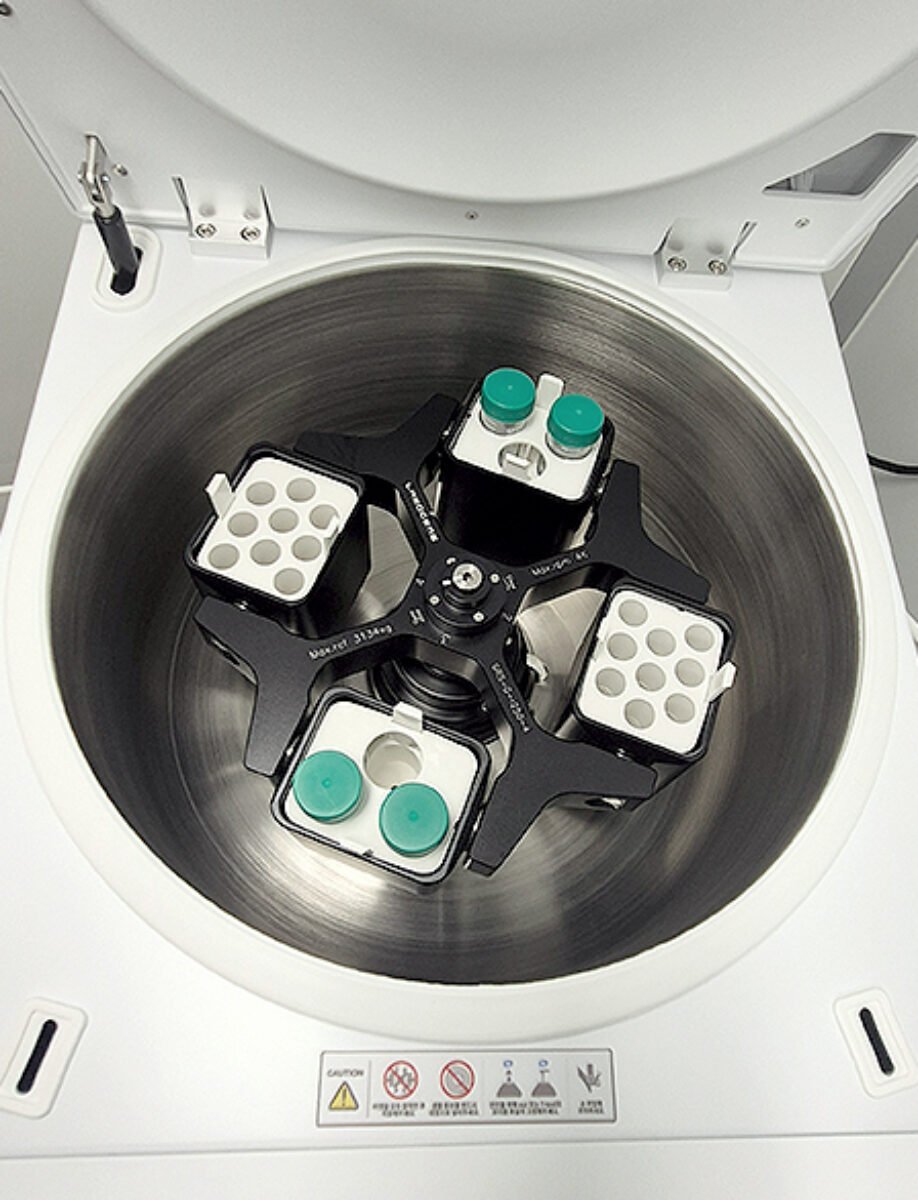
SVF stands for stromal vascular fraction. When harvested fat tissue is centrifuged, the cells separate into layers by weight, and one layer collects the cells that are not fat cells. That layer is the SVF.
Besides adipose-derived stem cells, SVF contains many other cell types, including vascular endothelial cells, pericytes and immune cells. Calling it simply "stem cells" is therefore inaccurate. What the research center counts with the cell counter is also the total cell count and viability of the whole SVF.
They are not pluripotent cells
The adipose-derived stem cells in SVF can self-renew, differentiate within a defined range, and home, that is, migrate in response to signals from injured tissue. They are not pluripotent cells that can become any cell in the body. Current research focuses less on SVF "turning into" other cells and more on its role in supporting blood vessel formation and the tissue environment at the graft site. Grafted fat needs new blood vessels to take hold, and SVF's involvement in that process is why SVF is used together with fat grafting.
SVF vs. ADSCs
ADSCs (adipose-derived stem cells) are the cells within SVF that have multilineage differentiation potential. If SVF is a mixed material, ADSCs are specific cells within that material. Purified, cultured ADSCs may behave differently from those contained in SVF. The research center isolates uncultured SVF on the day of surgery and uses it as is.
| Category | SVF (stromal vascular fraction) | ADSCs (adipose-derived stem cells) |
|---|---|---|
| Definition | Cell mixture obtained from fat by enzyme treatment and centrifugation | Cells with multilineage potential contained in SVF |
| State | A mixture of many cell types | A defined cell population, e.g. after culture |
| Main use | Grafted together with fat | Research on tissue differentiation and regeneration |
PRP is not stem cells
Some providers describe PRP (platelet-rich plasma), which is extracted from blood, as "stem cells." PRP is a preparation consisting mainly of platelets and growth factors. It does not itself contain stem cells, and its source and mechanism differ from SVF. For supporting fat graft retention, the evidence for PRP is not as clear as for SVF.
| Category | PRP | SVF |
|---|---|---|
| Source | Your own blood | Your own fat tissue |
| Main components | Platelets, growth factors | Vessel-forming cells, regeneration-related cell populations, growth factors |
| Angiogenesis | Limited | Reported as relatively abundant |
| Support for fat graft retention | Lacks clear evidence | Related research and clinical data exist |
Why the name matters
"Stem cell therapy" often refers to specific approved therapeutic products, and the phrase invites broad misunderstanding of what the treatment does. To use accurate terms within the scope of its designation and license, the research center calls it SVF, and where a familiar term is needed it writes both, as in "stem cells (SVF)."
Read next
Where does the 77.48% average graft retention rate come from? · How is the SVF cell count measured?
- SC301 Clinic Stem Cell Research Center FAQ and Lab Tour (2026).
- SC301 Clinic research notes. ADSCs (adipose-derived cells): characteristics, research background and how they differ from SVF (Korean) (2026-07-16). SVF and PRP: why they should not be confused (Korean) (2026-08-19).
- Shin DJ. Aesthet Surg J Open Forum. 2020;2(1):ojaa007 (summary of ADSC mechanisms).
Medically reviewed by Dr. Shin Dong-jin (Chief Director, SC301 Clinic · Medical License No. 44215). This content is provided for information only and was prepared in compliance with the Korean Medical Service Act and related laws.